


The global aluminium market is entering a high-pressure phase. At the recent World Aluminium Summit held in London, Paul Williams, the Head of Aluminium Value Chain at CRU, shared a critical outlook on where prices are headed.
For international buyers and manufacturers, his message was clear: supply challenges are deepening, and the market must prepare for a new price era.
The $4,000 Milestone: A Near-Term Reality
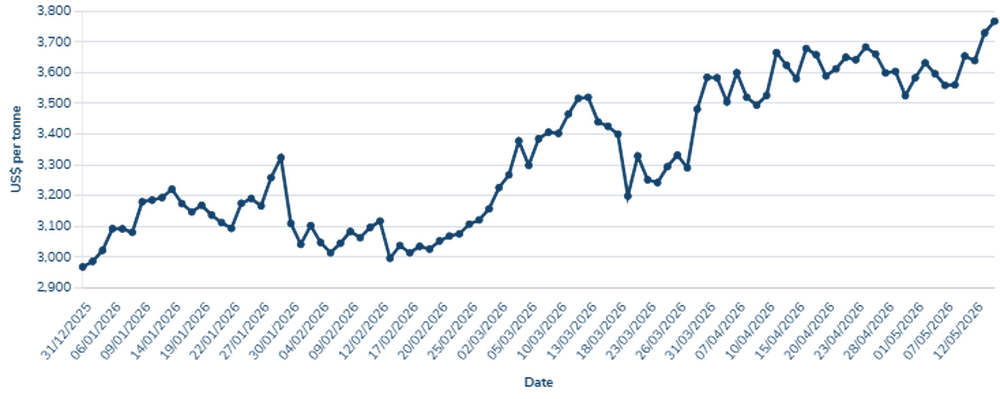
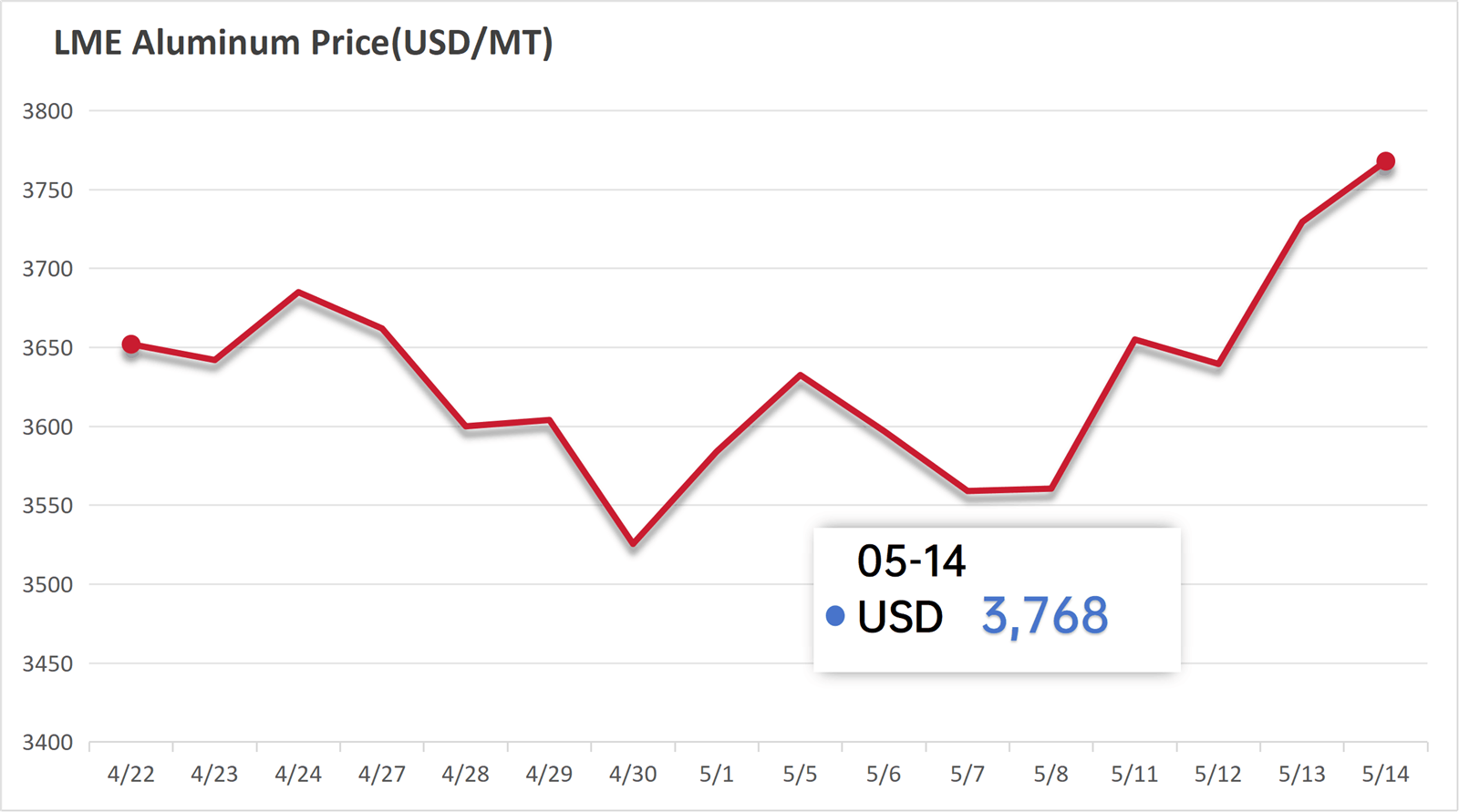
According to the technical forecast presented by Paul Williams, the primary aluminium market is no longer merely experiencing a cyclical peak, but a fundamental price shift.
- Q3 2026 Outlook: CRU projections indicate that LME aluminium prices will test the $4,020 per tonne resistance level as early as the third quarter of 2026.
- Long-Term Trend: Looking toward early 2027, the analysis suggests a potential climb toward $4,105 per tonne, supported by historically low inventory levels and rising production costs globally.
For procurement professionals, these figures represent a significant shift in cost baselines, making early risk mitigation more critical than ever.
Why Is the Market So Tight?
The summit highlighted three primary pillars supporting this price surge:
Critical Supply Deficit
The market is currently facing a projected global primary aluminium deficit of 1.4 million tonnes for the 2026 fiscal year. This gap is largely attributed to the exhaustion of global "safety valve" capacities. With China's 45-million-tonne capacity ceiling firmly in place, the global market lacks the traditional supply flexibility required to cool down prices.
Geopolitical Risks and Logistics
Paul Williams emphasized the vulnerability of the Middle Eastern supply chain. As a central hub for global sea-borne aluminium trade, any sustained disruption in regional logistics could lead to a 25% year-on-year drop in available exports. This potential loss of supply is a primary driver behind the current "panic-buying" and inventory hoarding observed in European and Asian markets.
The Inelastic Demand of the Energy Transition
Despite economic headwinds in the residential construction sector, demand from the Electric Vehicle (EV) and Renewable Energy sectors remains highly inelastic. The massive infrastructure requirements for solar grids and EV battery casings are absorbing primary aluminium at record rates, creating a permanent demand floor that supports higher LME benchmarks.
Strategic Response for Manufacturers and Exporters
The era of "cheap and easy" aluminium is shifting toward a market where supply security is the top priority. When prices are high, procurement is not just about the cost, it is about ensuring your production line doesn't stop.
At Hanchen Metal, we closely monitor these expert insights from London to help our clients navigate the volatility. Whether you are using 1060, 1100, or 3003-H24 alloys, we recommend focusing on three areas:
Forward Procurement
Secure allocation for late 2026 to hedge against the projected Q3 price spike.
Yield Optimization
In a $4,000+ market, manufacturing precision is vital. Choosing materials with consistent mechanical properties (e.g., elongation and temper stability) is essential to minimize scrap and protect margins.
Reliable Partnerships
Work with suppliers who have stable access to raw materials to ensure your orders are delivered on time despite global shortages.