

In the high-speed production of aluminum ceiling systems-ranging from standard clip-in tiles to complex linear baffles-the consistency of the color coated aluminum coil substrate is the primary determinant of the PPM (Parts Per Million) defect rate. For professional procurement, understanding the mechanical thresholds of pre-painted aluminum coils is essential to optimizing stamping press uptime and minimizing material waste.
The Critical Correlation: Elongation (A50) and Alloy Selection
In the color coated aluminum coil industry, elongation is the measure of the alloy's ability to undergo uniform plastic deformation. For ceiling manufacturers, the choice between 1100/1060 and 3003 aluminum coils directly impacts the final product's structural integrity.
1100 / 1060 Series (Pure Aluminum): This color coated aluminum grade is known for superior ductility. At an H24 temper, the elongation (A50) typically ranges from 5% to 10%. While cost-effective for simple forming, its lower tensile strength makes it susceptible to "oil canning" (surface waviness) in large-format pre-painted aluminum panels.
3003 Series (Al-Mn Alloy): The industry standard for high-end color coated aluminum coils. The addition of Manganese increases strength. For 3003 H24 color coated aluminum sheets, the elongation (A50) is engineered between 12% and 18%. This higher range allows the coated aluminum to flow into deep-drawn corner profiles without the risk of "orange peel" textures or micro-fractures.
Mechanical Synergy: Yield Strength (Rp0.2) vs. Tensile Strength (Rm)
The "Yield" of a color coated aluminum coil stamping line is heavily influenced by the Yield-to-Tensile Ratio.
The Forming Window
A high-quality pre-painted aluminum coil should maintain a ratio of approximately 0.85 to 0.92. If the yield strength (Rp0.2) of the color coated aluminum sheet is too close to its tensile strength (Rm), the material becomes brittle, causing edge cracking during the 90° flange bending.
Springback Management
3003 H24 color coated aluminum offers more predictable elastic recovery compared to AA1100. This ensures that every color coated aluminum ceiling tile remains consistent batch-to-batch, reducing expensive downtime for die adjustments.
Data Benchmarks for Ceiling Stamping Yield
When sourcing color coated aluminum coils, comparing these technical metrics is vital for production stability:
| Technical Metric | 1100 Series (H24) | 3003 Series (H24) | Impact on Color Coated Aluminum Yield |
| Tensile Strength (Rm) | 110 - 145 MPa | 140 - 180 MPa | Dictates panel rigidity and wind resistance. |
| Yield Strength (Rp0.2) | 95 - 125 MPa | 120 - 150 MPa | Prevents deformation of the pre-painted aluminum. |
| Elongation (A50) | 5% - 10% | 12% - 18% | Determines the possible depth of the stamping. |
| Application | Interior Decoration | Commercial Projects | Matches structural requirements for coated aluminum. |
Temper and Coating Integrity
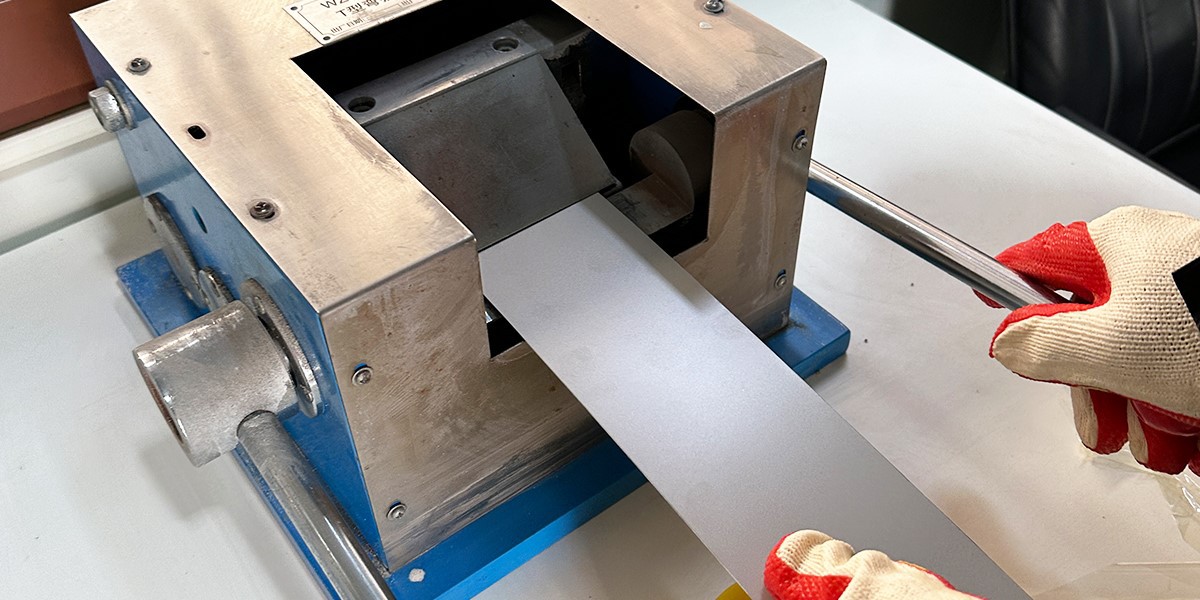
The Temper of the color coated aluminum coil must be synchronized with the coating's T-bend flexibility. For pre-painted aluminum coils, an H24 (half-hard) temper provides the necessary balance. It ensures the PE or PVDF coating on the color coated aluminum does not undergo "crazing" when the metal substrate is stretched during the stamping process.

Hanchen Metal specializes in manufacturing color coated aluminum coils specifically calibrated for the ceiling industry. Our 3003 H24 and 1100 H24 series coated aluminum coils meet the most stringent mechanical tolerances for global projects.