

In the high-end architectural and industrial sectors, Color Coated Aluminum Coil (often referred to as Pre-painted Aluminum) is the gold standard for durability and aesthetics. However, many fabricators face a persistent challenge regarding the integrity of the organic coating during the transformation process. When Color Coated Aluminum exhibits fine cracks or "crazing" during roll-forming or bending, it compromises both the visual appeal and the long-term corrosion resistance of the aluminum substrate.
While many assume a "paint defect" is the cause, the root cause often lies in a technical mismatch between the material specifications and the mechanical fabrication process. Here are three critical details often overlooked when sourcing and processing Color Coated Aluminum Coil.
The "T-Bend" Mismatch: Flexibility vs. Specification
For any Pre-painted Aluminum Coil, the T-Bend rating is the most vital metric for coating flexibility. It determines how much stress the paint film can endure before fracturing.
Understanding T-Bend Specifications
A 0T rating means the aluminum can be folded 180° flat upon itself without the coating cracking. A 2T rating means the bend radius is equivalent to two thicknesses of the metal.
The Procurement Strategy for Buyers
If your project involves deep-drawing or tight-radius folding, which is common in rain gutters or complex architectural flashings, a standard roofing-grade Color Coated Aluminum Coil will likely fail. You must specify a high-flexibility PVDF coating or High-Durable Polyester (HDP) specifically designed for 0T-1T performance. Using the wrong T-Bend specification is the leading cause of micro-cracking. This allows moisture to reach the aluminum substrate, leading to long-term delamination and structural failure.
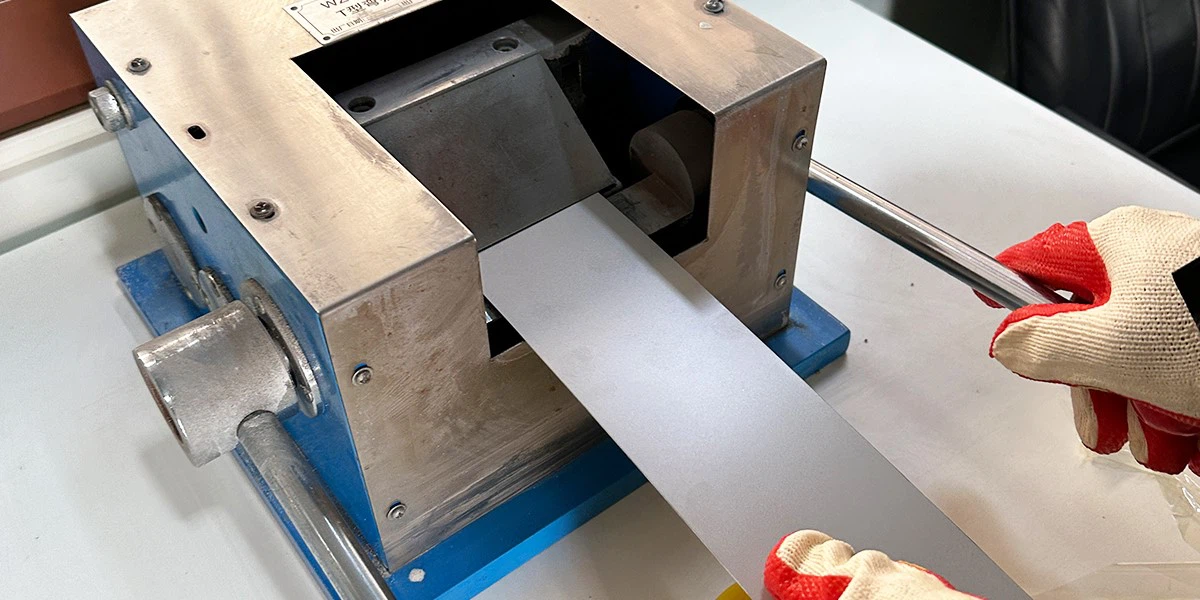
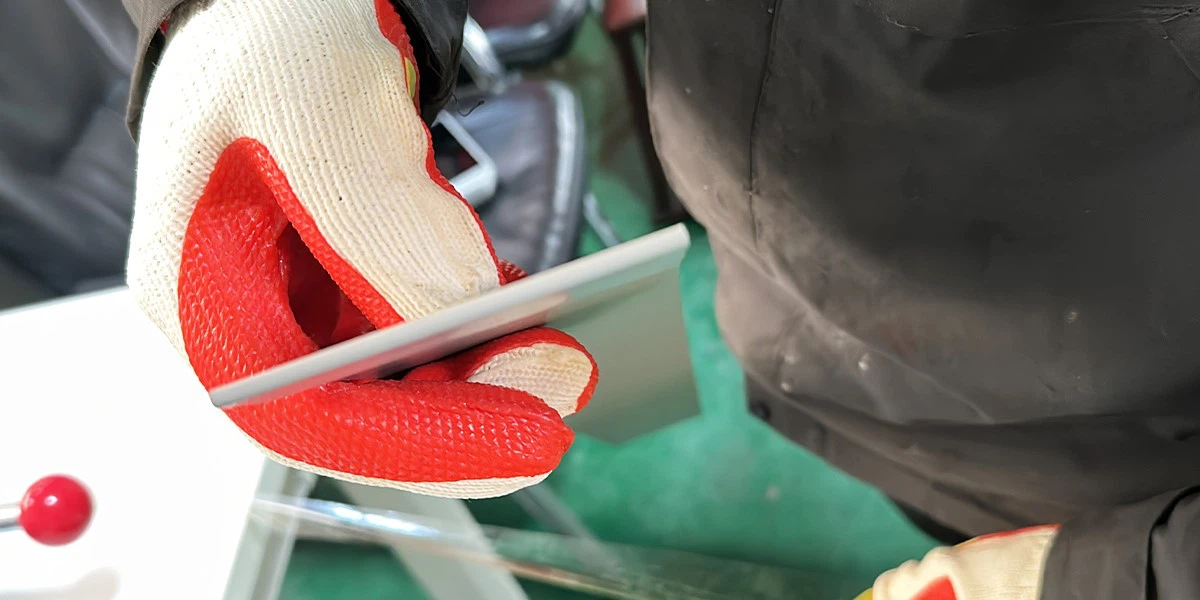
Pro Tip: Always audit your tooling's minimum bend radius before ordering. For high-precision architectural details, insist on 0T to 1T rated coatings to ensure a seamless finish.
Substrate Temper: The "Hardness" Conflict
Color-coated aluminum is a composite system: the coating is only as good as the metal beneath it. If the substrate's mechanical properties aren't aligned with your fabrication process, the paint will suffer.
Elongation and Alloy Choice
While 1000-series aluminum is highly ductile, 3000-series (like 3003 alloy) is often preferred for its strength. However, if the manganese content or the annealing process isn't tightly controlled, the material's elongation-its ability to stretch-diminishes.
The Temper Tension
This is the most common culprit. If the aluminum is in an H18 (Full Hard) temper, it possesses high structural integrity but nearly zero ductility. When bent, the substrate reaches its yield point almost instantly, releasing energy that literally "rips" the adhered paint film apart.
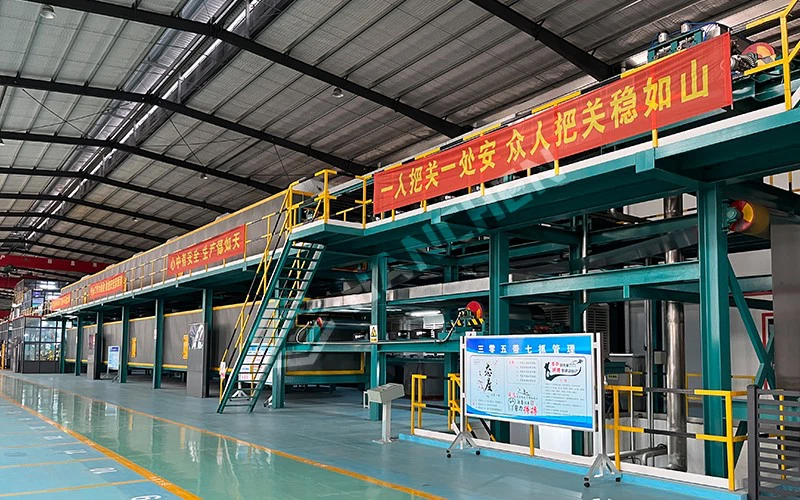
For projects requiring heavy forming, we recommend an H24 (Half Hard) temper. This provides the perfect equilibrium between structural rigidity and the "give" required for the coating and metal to deform in sync.
The "Temperature Trap" and Glass Transition
The Brittle Point of Coatings
Most organic coatings used on Pre-painted Aluminum, such as PE or PVDF, become brittle when the ambient temperature drops below 15°C (59°F). At these temperatures, the coating loses its elastic properties and behaves like a brittle solid.
Best Practices for Fabricators
- Thermal Conditioning: Store your Color Coated Aluminum Coils in a climate-controlled environment (above 20°C) for at least 24 hours before roll-forming.
- Lubrication: Use high-quality processing oils to reduce friction between the coated aluminum surface and the forming dies, preventing mechanical abrasion.
Achieving a flawless finish with Color Coated Aluminum Coil requires more than just high-quality paint. It requires a deep understanding of the synergy between the aluminum substrate, the chemical pretreatment, and the coating chemistry.
At Hanchen Metal, we specialize in providing engineered Pre-painted Aluminum solutions tailored to your specific bending radii and environmental conditions. By optimizing the T-Bend performance and selecting the correct aluminum alloy temper, we ensure your project remains crack-free and corrosion-resistant for decades.
If you are experiencing coating failures in your current production, contact our technical team for a comprehensive audit of your Color Coated Aluminum Coil specifications and fabrication workflow.